
LumaMathLumaMathParent-friendly math tools

Understanding fractions · how to write fractions

How to Write Fractions

To write a fraction, first identify one whole and its equal parts. Write the number of selected parts on top, write the total number of equal parts on the bottom, and use a clear horizontal fraction bar between them.

Explore the main fraction lesson

Quick answer

Write a fraction as numerator/denominator. The numerator, on top, tells how many equal parts are counted. The denominator, on the bottom, tells how many equal parts make one whole.

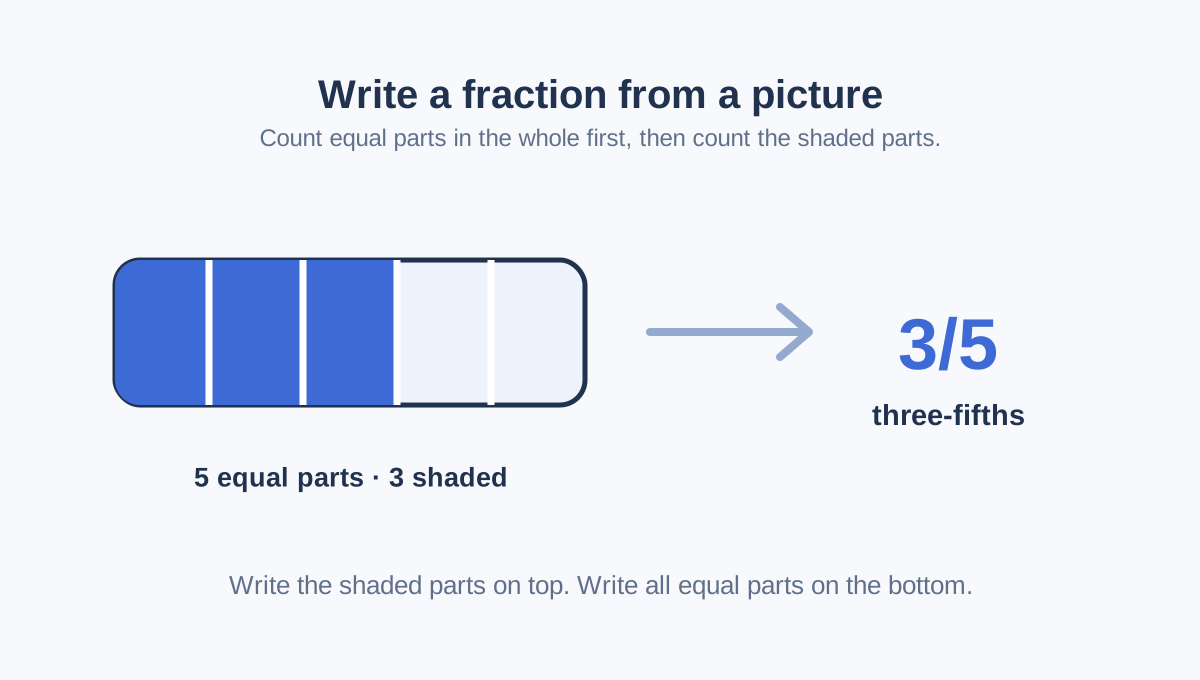
A bar divided into five equal parts with three shaded, leading to the written fraction three fifths.
From a shaded model, write the selected equal parts on top and all equal parts in the whole on the bottom.

Write the picture before the symbol

A fraction symbol is easier to write when a child can first describe a picture. Suppose a bar is divided into five equal parts and three parts are shaded. Say the meaning aloud: “There are five equal parts altogether, and three are shaded.” Then write 3/5. The visual explanation tells a child exactly where each number comes from.

Do not begin by asking which number goes on top. Begin by finding the whole and the equal parts. The total number of equal parts is the denominator, so it goes on the bottom. The parts being counted are the numerator, so they go on top. This order is more reliable than memorizing positions without a model.
Write fractions from shaded models

When a shape is split into equal pieces, count every equal piece first. If there are eight equal boxes in a rectangle, the denominator is 8, even if only one box is colored. Next count the colored boxes. If five are colored, write 5/8.

Check equal parts before you write anything. A shape with four uneven pieces does not show fourths, even when three pieces are shaded. A child should be able to point to the whole, show that the pieces match, and then write the numerator and denominator. This habit prevents many early fraction-writing errors.

Write fractions from words

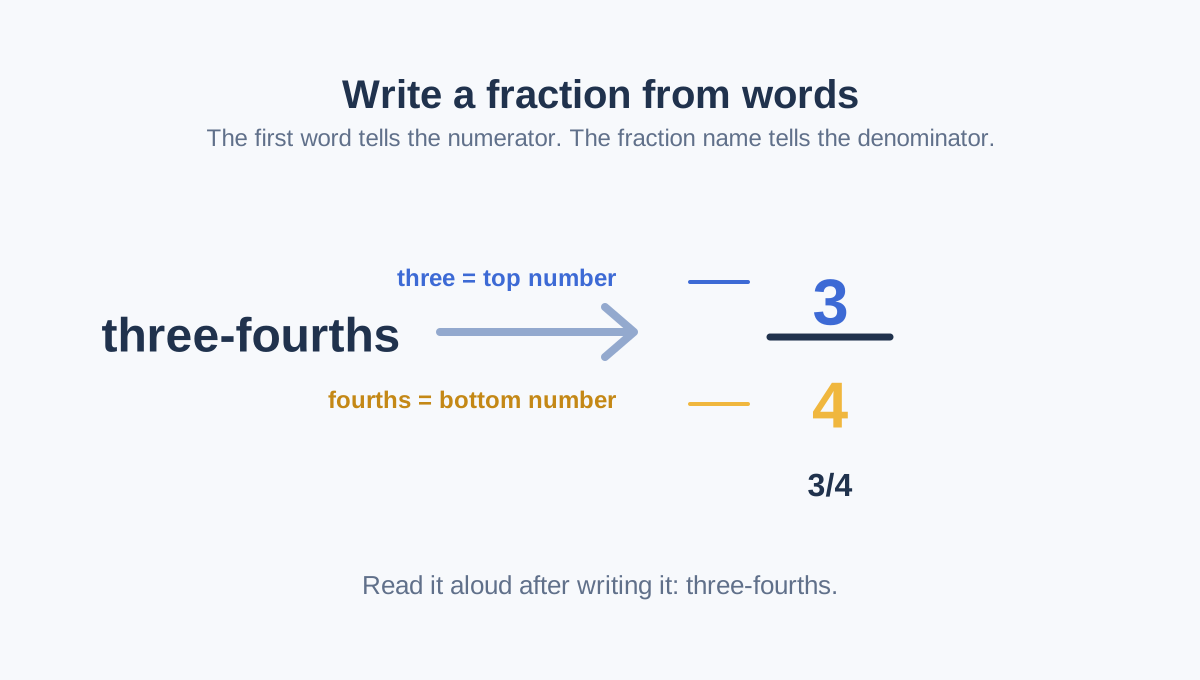
Fraction words also tell you how to write the symbol. In “three-fourths,” the word three becomes the numerator. The word fourths tells you the denominator is 4. Write 3 on top and 4 on the bottom: 3/4.

The same pattern works with other fraction names. One-half is 1/2, two-thirds is 2/3, five-sixths is 5/6, and seven-tenths is 7/10. Listen for the number that names the counted parts first, then listen for the fraction name that names the total equal parts.

Use a horizontal fraction bar

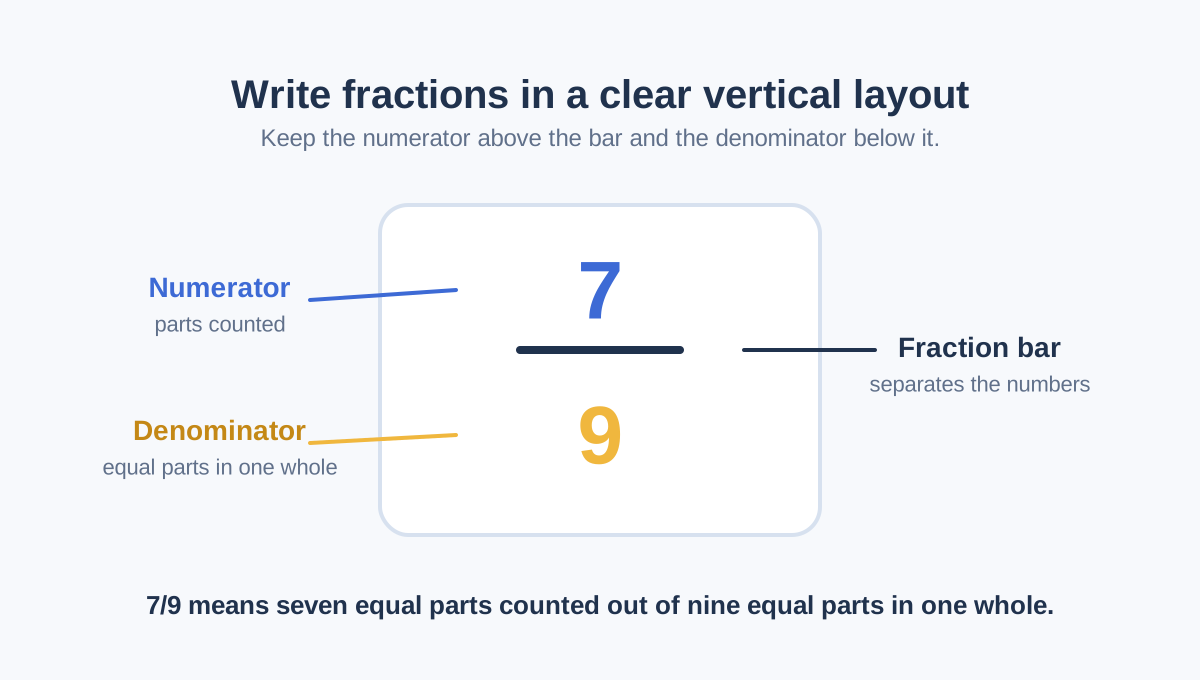
When writing fractions by hand, place the numerator above a horizontal fraction bar and the denominator below it. Keep the numbers centered so the fraction is easy to read. A slash, such as 3/4, is useful in typed text, but a horizontal bar makes the two roles visually clear while a child is learning.

Give the fraction enough space. If the top and bottom numbers are crowded or the line is too short, a child may lose track of which number belongs where. Write the numerator, draw a straight bar below it, then write the denominator underneath. Slower, clear writing helps the fraction remain one connected symbol.

Read your fraction back to check it

After writing a fraction, read it aloud in a full sentence. For 4/7, say, “Four out of seven equal parts.” Then return to the model and check: are there seven equal parts in the whole? Are four selected? Reading back turns writing into a quick self-check instead of a one-way answer.

Estimation can help too. If only one of eight pieces is shaded, the answer should be a small fraction such as 1/8, not 8/1. If all four pieces are shaded, the answer is 4/4, which equals one whole. The picture should always make the written fraction feel reasonable.

Avoid the most common writing mistakes

The most common mistake is reversing the numerator and denominator. A child may see three shaded parts out of four and write 4/3 because they counted all the parts first. Return to the sentence: “Four equal parts altogether; three selected.” Altogether belongs on the bottom, and selected belongs on the top.

Another mistake is writing a fraction without checking the whole. In a set question, the whole might be all ten counters, not only the colored counters. In a picture with two bars, the whole might be one bar or both bars depending on the question. Ask what complete amount the fraction describes before writing the symbol.

Step by step

Use this sequence with your child

  1. 1

    Find the whole

    Name the complete shape, group, or amount the fraction is describing.

  2. 2

    Count all equal parts

    Write this total as the denominator below the fraction bar.

  3. 3

    Count selected parts

    Write the shaded, colored, or named parts as the numerator above the bar.

  4. 4

    Read and check

    Say the fraction aloud and compare it to the picture or words one more time.

The words three fourths leading to the fraction three fourths, with three identified as the top number and fourths as the bottom number.
From words, the first number becomes the numerator and the fraction name tells you the denominator.

Example

From a picture

A rectangle has six equal boxes and two are shaded. Write 2/6: two selected equal parts out of six equal parts in the whole.

Example

From words

“Five-eighths” becomes 5/8. Five is the numerator, and eighths tells you the denominator is 8.

The fraction seven ninths with labels for the numerator, fraction bar, and denominator.
A clear fraction keeps the numerator above the bar and the denominator below it.

Tips for Parents

  • Let your child explain the picture in a sentence before asking them to write the fraction.
  • Use graph paper or a lined index card if your child needs help keeping the numerator and denominator aligned.
  • Ask “what does the bottom number tell us?” to connect the denominator to all equal parts.
  • Have your child read every written fraction aloud to catch reversed numbers early.

Common questions

How to Write Fractions FAQ

Count all equal parts in the whole for the denominator, then count the shaded or selected parts for the numerator.